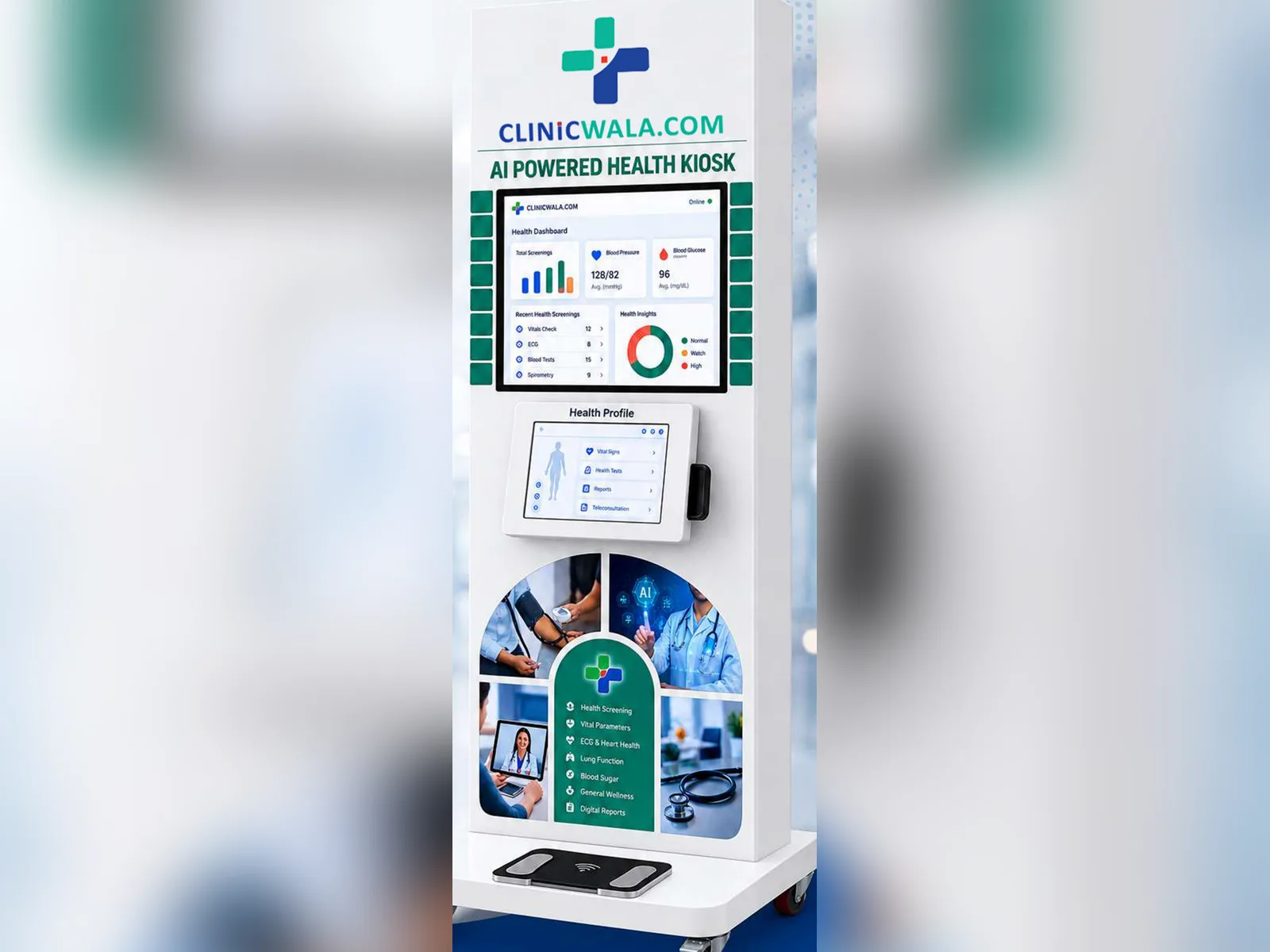
The kiosk brings preventive healthcare to where people already are — a village centre, a panchayat bhawan, a factory floor, a campus. It combines medical screening devices, intelligent health analysis, digital health records and remote doctor consultation in a single connected station, run by a trained local operator.
It is built for people who have never used a computer: a guided, voice-assisted, multilingual interface walks each person through the screening, and the result is a plain-language health summary rather than a sheet of numbers.
From screening to prescription
One session at the kiosk covers what would otherwise take three trips and a week.
- 01
Guided screening
The kiosk walks the user through the tests — vitals, ECG, lung function, blood markers — collecting health and family history on the way.
- 02
An AI-assisted summary
Screening data becomes a plain-language health summary with risk indicators and trends, reviewed in context by the consulting doctor.
- 03
A doctor on video
Secure teleconsultation with a qualified doctor, who sees the readings live instead of hearing them described.
- 04
Digital prescription and diet plan
The doctor shares an e-prescription; an AI-assisted diet plan is generated from the patient’s own results.
- 05
Records, lab and pharmacy
Everything lands in the patient’s health record, ABHA-linkable — reports reach the patient digitally, including on WhatsApp, with lab tests and medicine delivery available through the connected network.
A session, step by step
About fifteen minutes from walking up to walking away with a prescription.
-
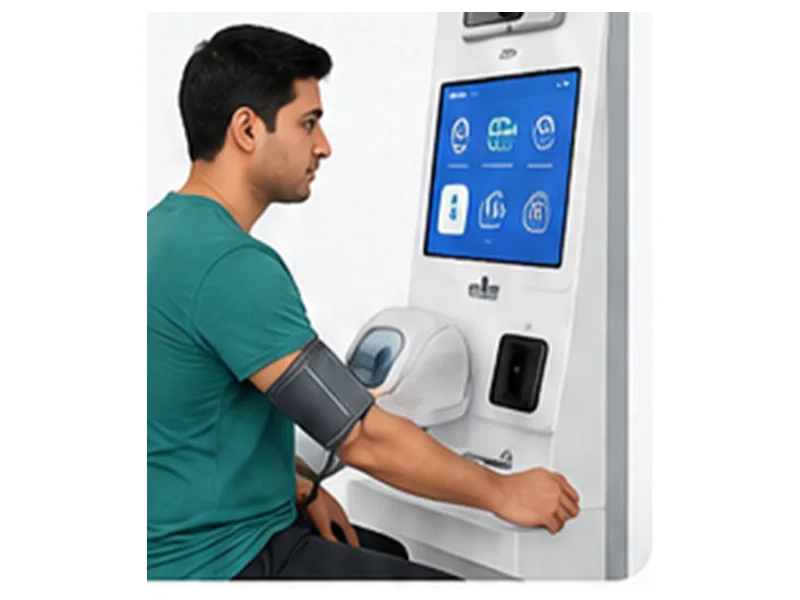
Guided screening
The kiosk walks you through each test, collecting history along the way.
-
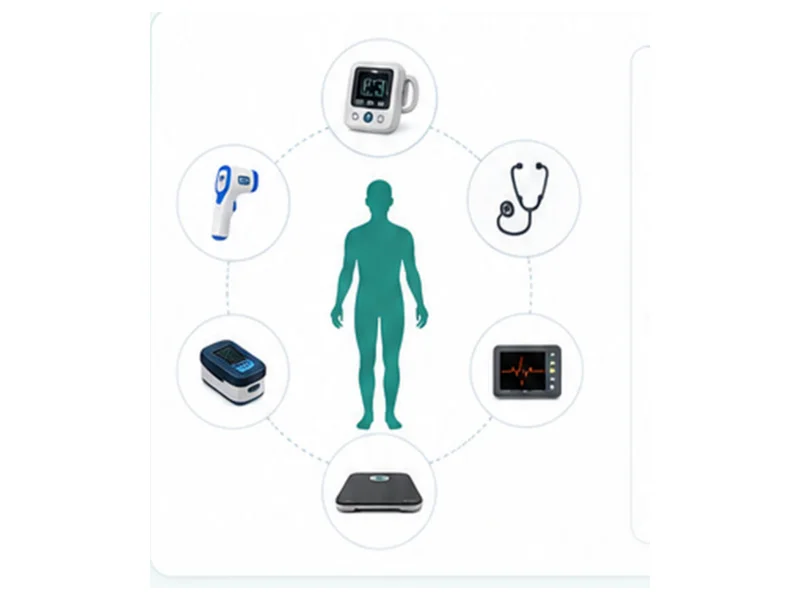
Devices take the readings
Connected instruments measure vitals, heart, lungs and blood markers.
-
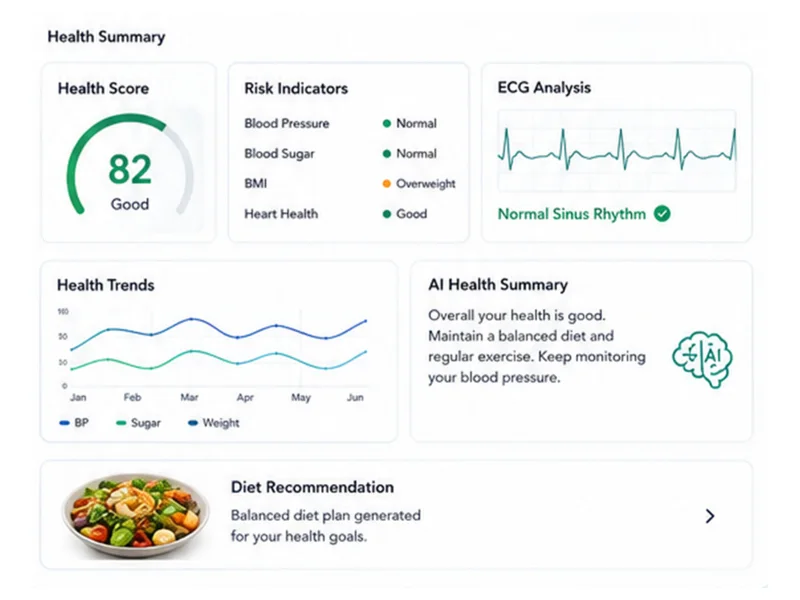
An AI-assisted summary
Results become a plain-language health summary with risk indicators.
-
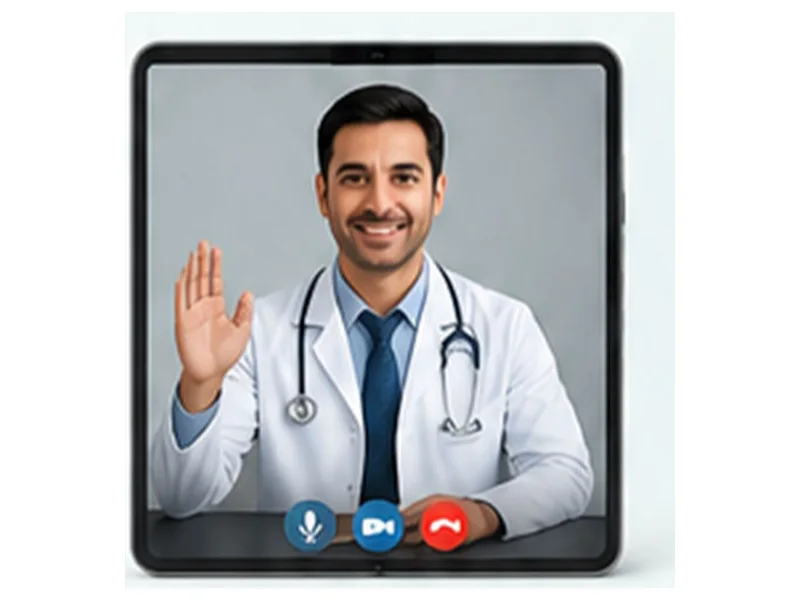
A doctor on video
A qualified doctor consults with the readings already in front of them.
-
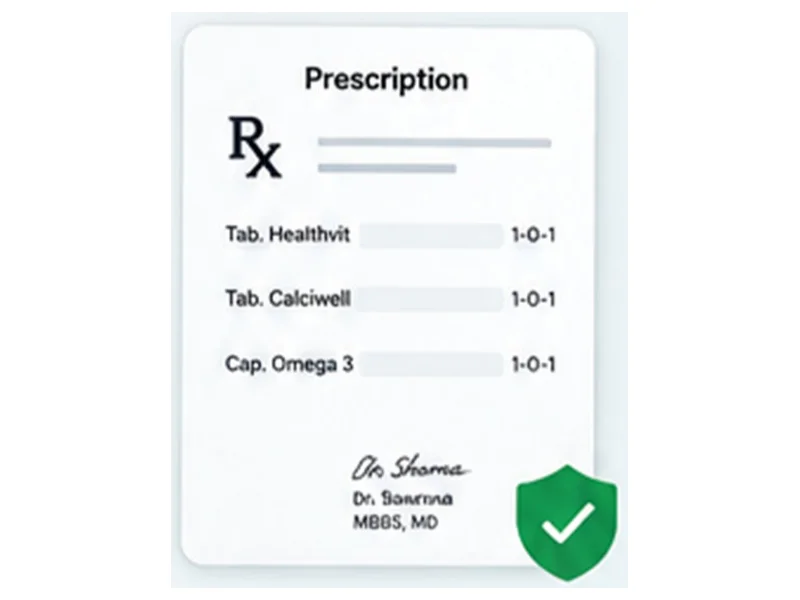
Prescription and records
An e-prescription, a diet plan, and everything saved to your record.
Seven things you leave the kiosk with
Not a reading on a slip of paper — a consultation, a plan and a record that persists.
-
Comprehensive health screening
Vitals, cardiac, pulmonary and blood markers in a single guided session of about fifteen minutes.
-
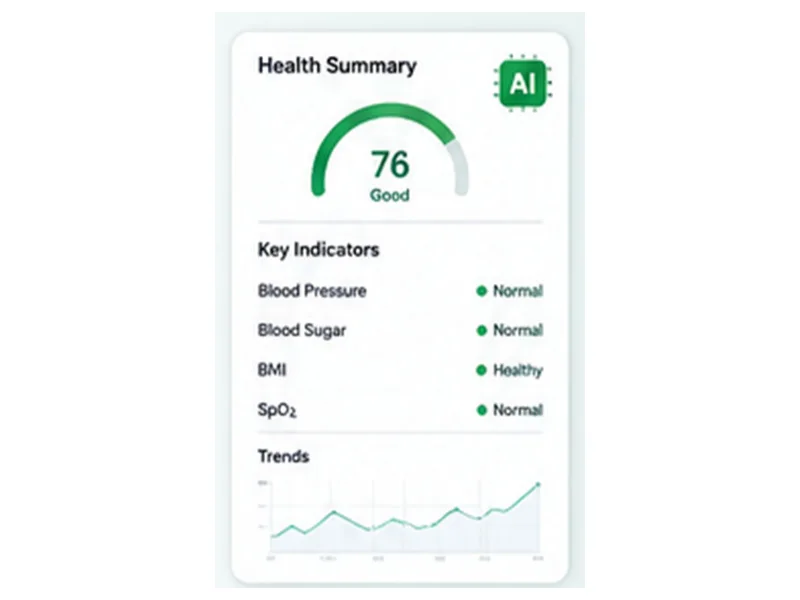
AI-assisted health insights
A health score, key indicators and trends — plain language instead of a sheet of numbers.
-
Remote doctor consultation
Secure video with a qualified doctor who reads your live results, not your description of them.
-
Digital prescription
An e-prescription carrying the doctor’s name, registration number and signature.
-
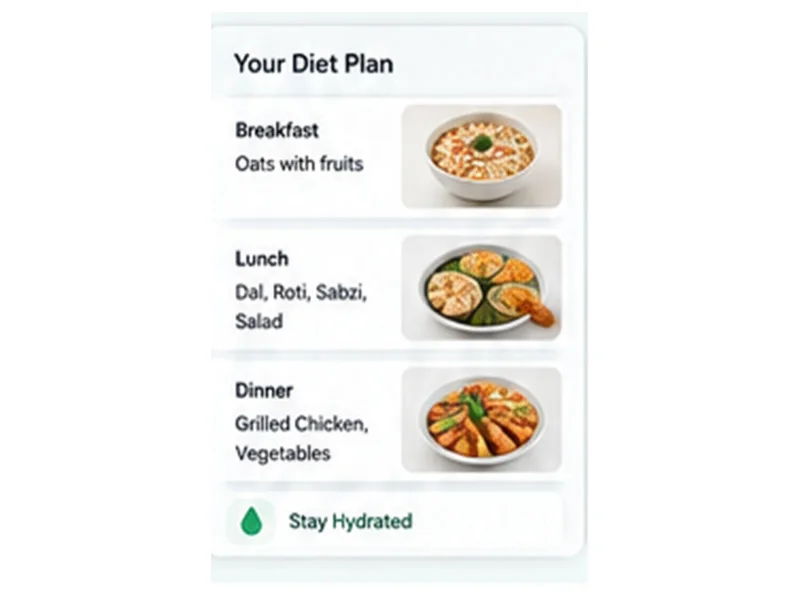
Personalised diet guidance
A diet plan generated from your own screening results, not a generic handout.
-
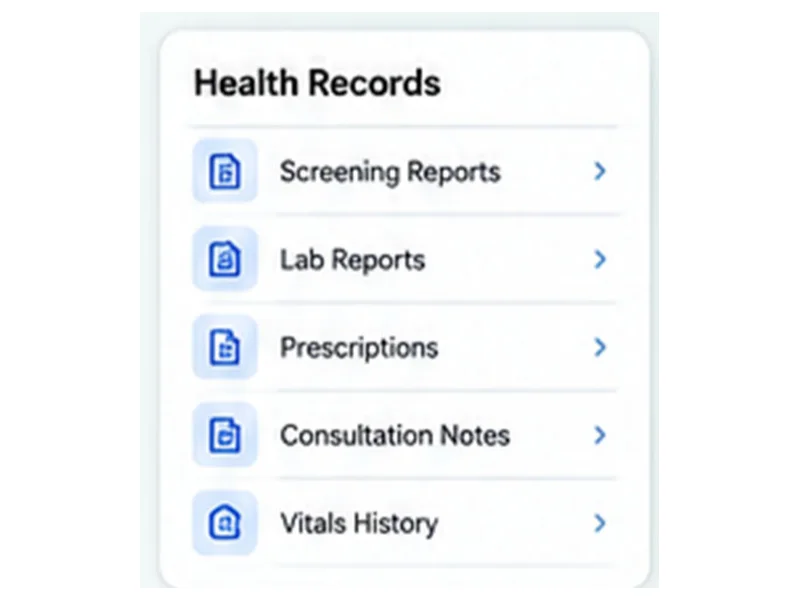
Digital health records
Screening reports, lab reports, prescriptions and vitals history in one place, ABHA-linkable.
-
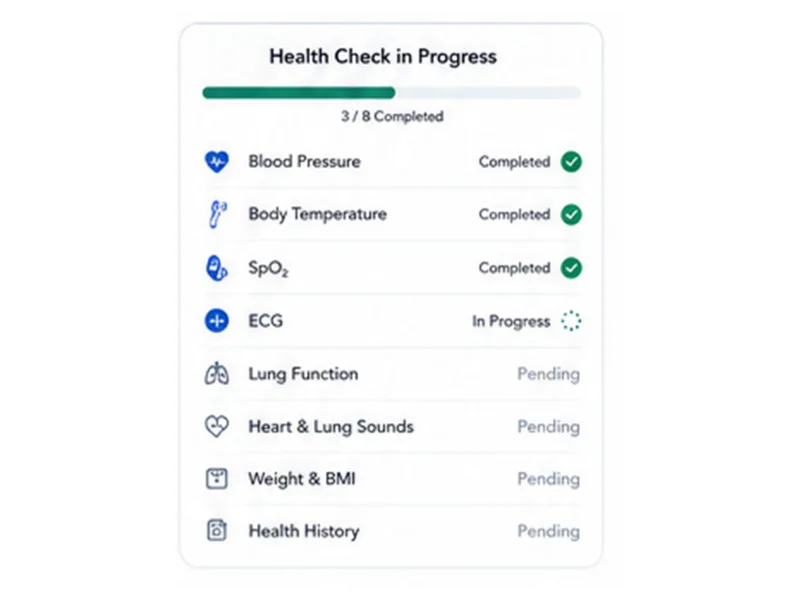
Connected diagnostics and pharmacy
Lab tests through JanchWala and medicines through DawaiWala — both ClinicWala network services — continue the same journey.
What it tests, and how fast
65+ tests supported. Typical time per assessment — most take 20 to 90 seconds; a full multi-parameter screening takes about fifteen minutes. Modules are configured per deployment.
- Blood pressure
- 30–60 seconds
- Heart rate / SpO₂
- 20–30 seconds
- Body temperature
- 20–30 seconds
- Weight & BMI
- 20–30 seconds
- Body composition
- 20–60 seconds
- Blood glucose
- 30–60 seconds
- Haemoglobin
- 20–30 seconds
- Uric acid
- 20–30 seconds
- Lung function (spirometry)
- 60–90 seconds
- Digital stethoscope
- 30–60 seconds
- Otoscope examination
- 30–60 seconds
- Dermascope examination
- 30–60 seconds
- Vision screening
- 30–60 seconds
- Colour-blindness test
- 20–30 seconds
- Audiometry
- 60–90 seconds
- Mental well-being assessment
- 2–3 minutes
- Single-lead ECG
- about 30 seconds
- 12-lead ECG
- 3–4 minutes
- Neuropathy screening
- 2–3 minutes
- Malnutrition screening
- 1–2 minutes
Screening that goes deeper than vitals
Beyond the basics, the kiosk platform supports specialised screening modules. Each supports screening — the diagnosis remains the doctor’s.
Diabetes in depth
Blood glucose — fasting, random and post-meal — plus HbA1c for the longer view. Early detection, better control.
Cardiac screening
Blood pressure, single-lead and 12-lead ECG, and lipid parameters: total cholesterol, HDL, LDL, triglycerides and ratios.
Heart and lung sounds
A digital stethoscope carries heart and lung sounds to the consulting doctor for remote assessment.
Pulmonary function
PEF, FEV1/FVC, lung age and pre/post comparison — with dozens more parameters depending on the connected spirometry system.
Body composition in detail
Beyond weight and BMI: body fat, muscle and protein mass, visceral fat, metabolic age, bone mass, hydration and more.
Diabetic neuropathy
Vibration-perception testing that supports screening for peripheral neuropathy, diabetic foot and ulcer risk.
Eyes — vision and retina
Far, near and colour vision; retinal imaging with AI-assisted image analysis supports screening for eye disease.
Dental and oral health
A dental camera with AI-assisted flagging supports oral examination and oral-cancer triage.
Breast health
Non-invasive thermal imaging with AI-assisted analysis supports breast-health screening — no radiation, suitable for camp settings.
Mental well-being
Guided, standardised questionnaires support screening related to depression and anxiety.
Maternal health
Non-invasive fetal monitoring supports maternal and fetal well-being checks closer to home.
Urine analysis
Multi-parameter urine testing — protein, glucose, ketones, nitrite, leukocytes and more, per the connected system.
Rapid diagnostic tests
Selected rapid tests through compatible devices — including HIV, HCV, HBsAg, dengue, typhoid, malaria, Troponin T, VDRL, pregnancy and H. pylori.
What the specialised modules look like
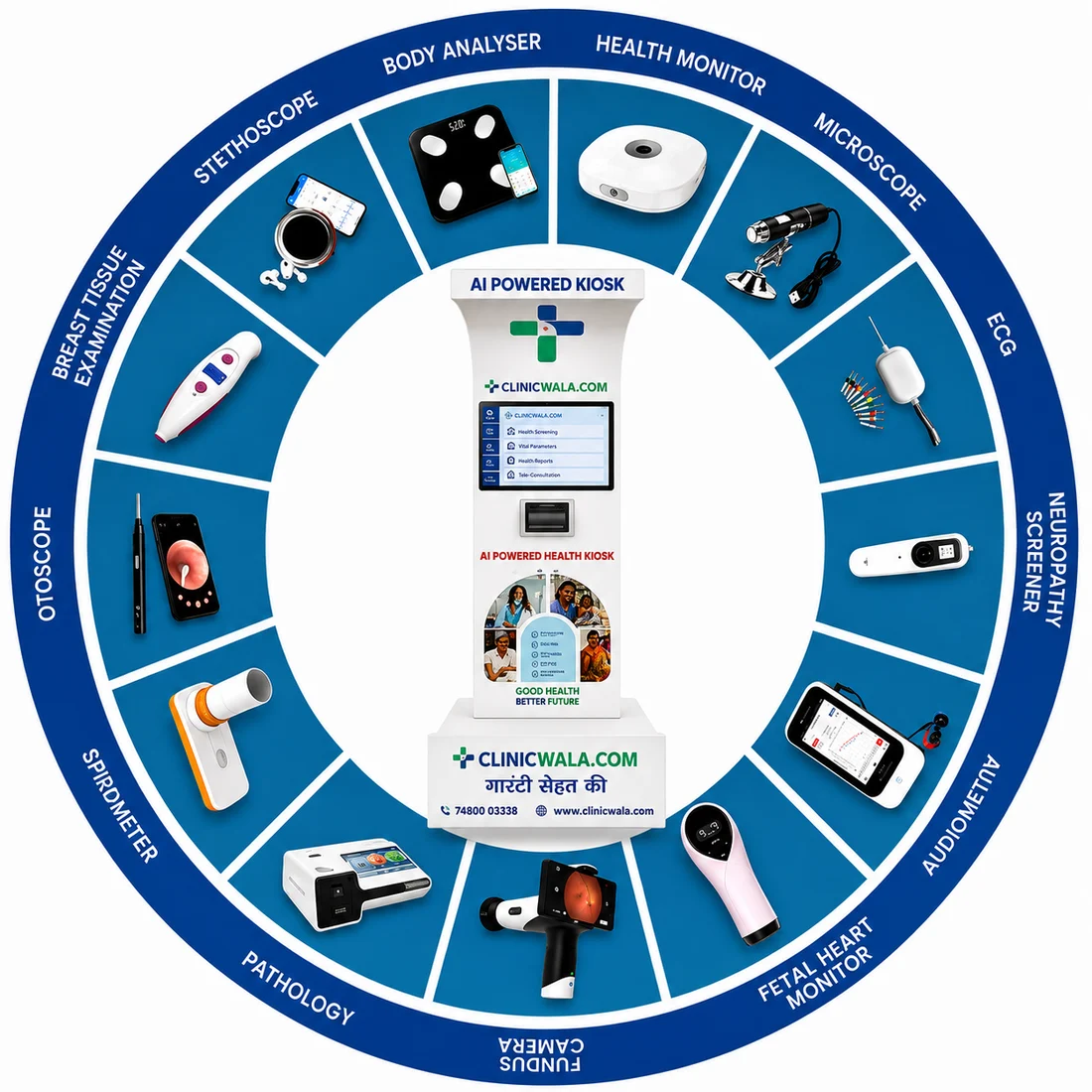
Each module runs on a connected instrument. Availability depends on the equipment configured into a given kiosk.
-
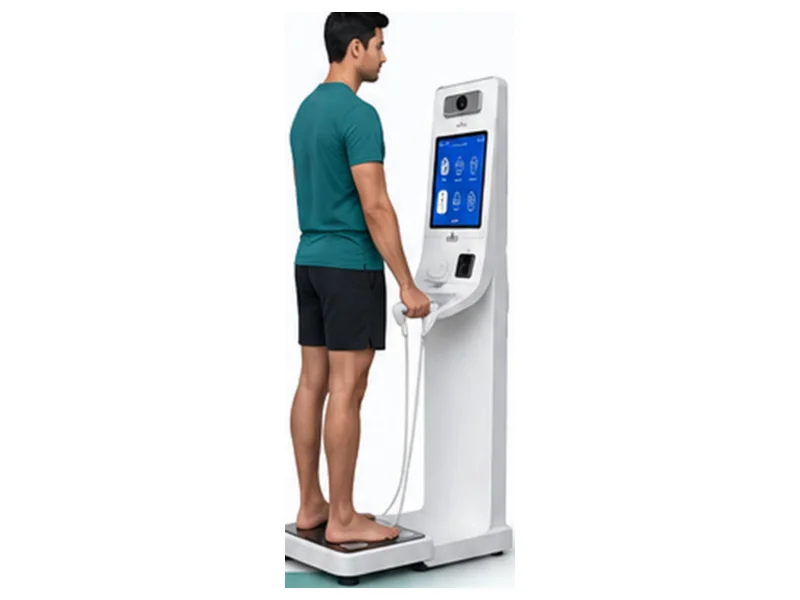
Body composition. -
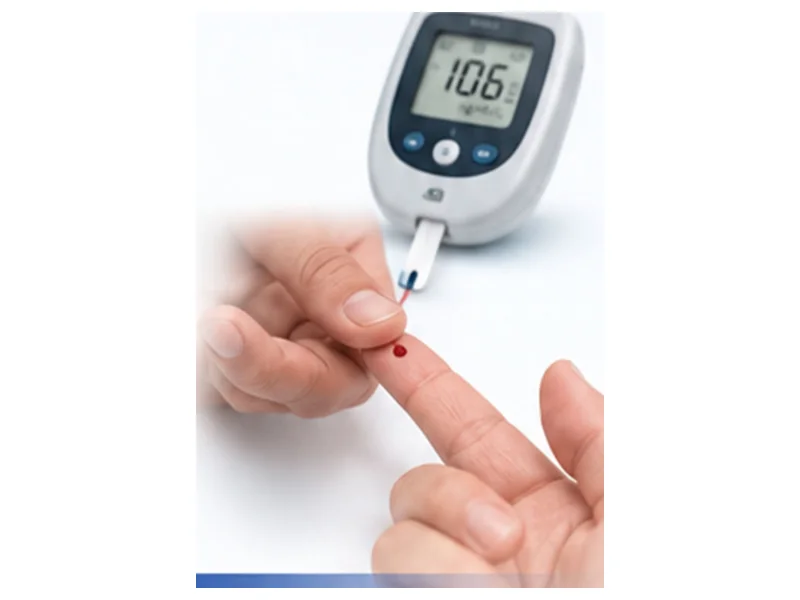
Blood glucose. -
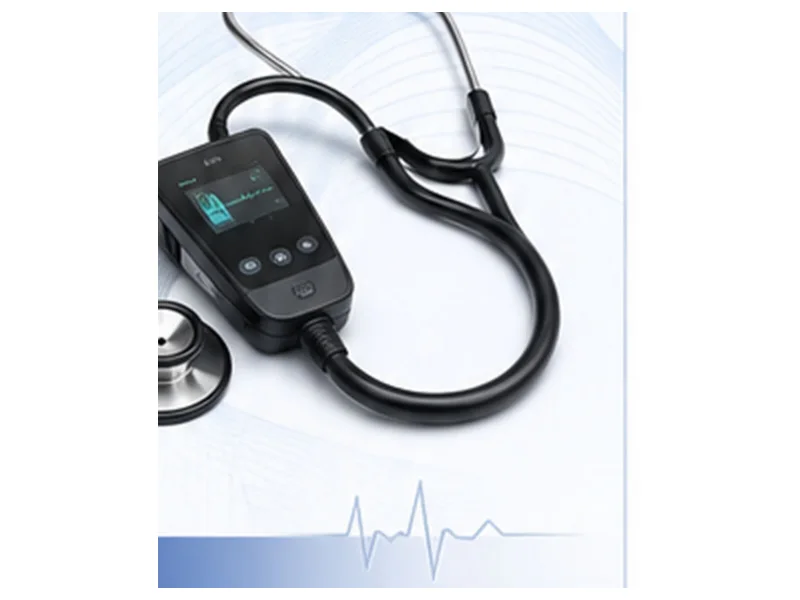
Heart and lung sounds. -
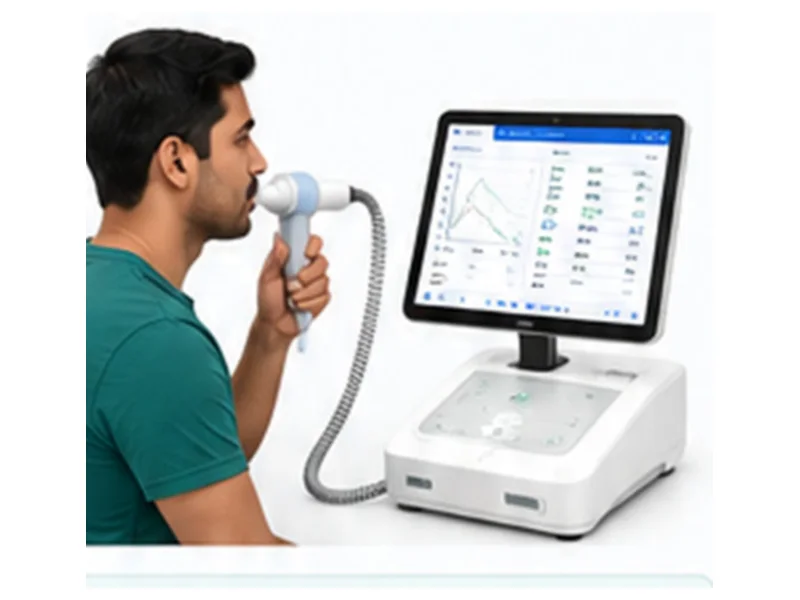
Lung function. -
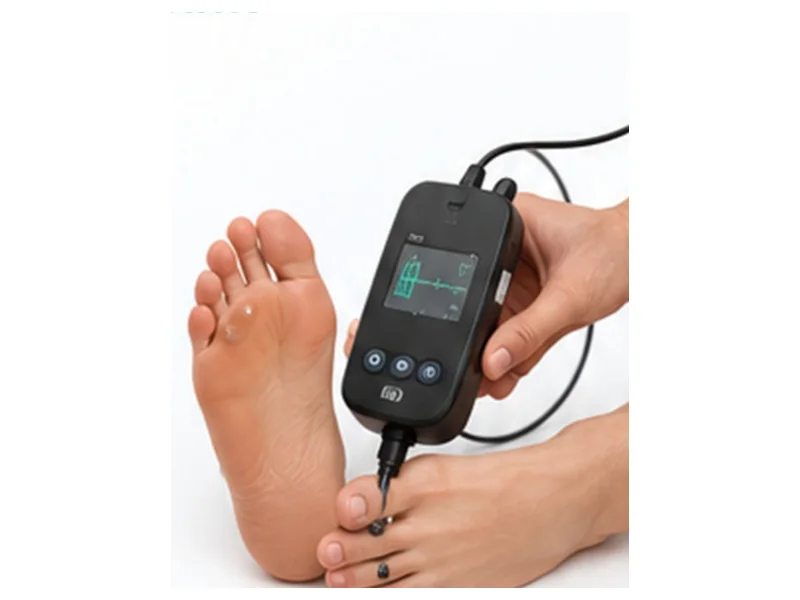
Diabetic neuropathy. -
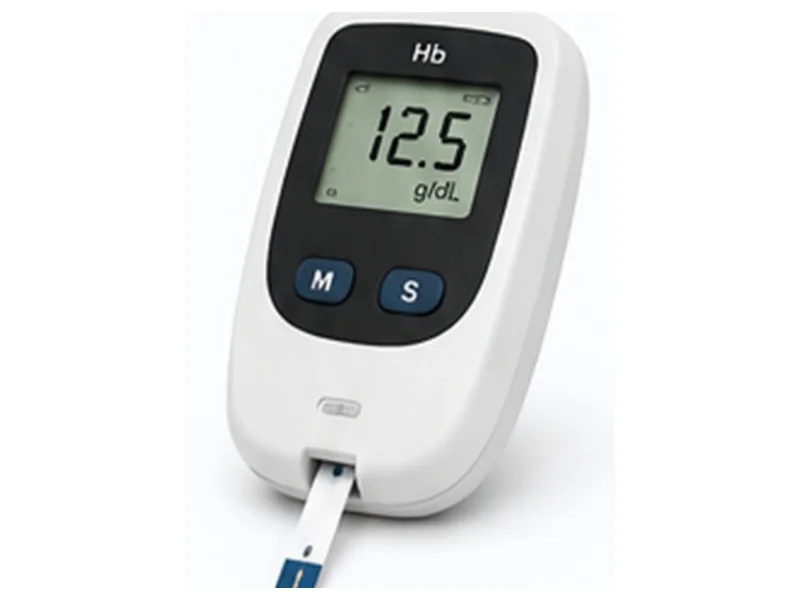
Haemoglobin. -
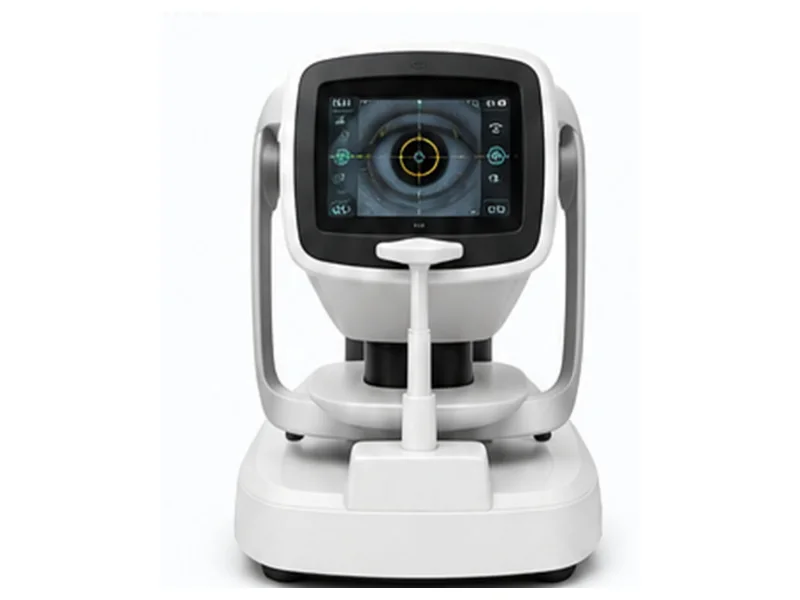
Vision screening. -
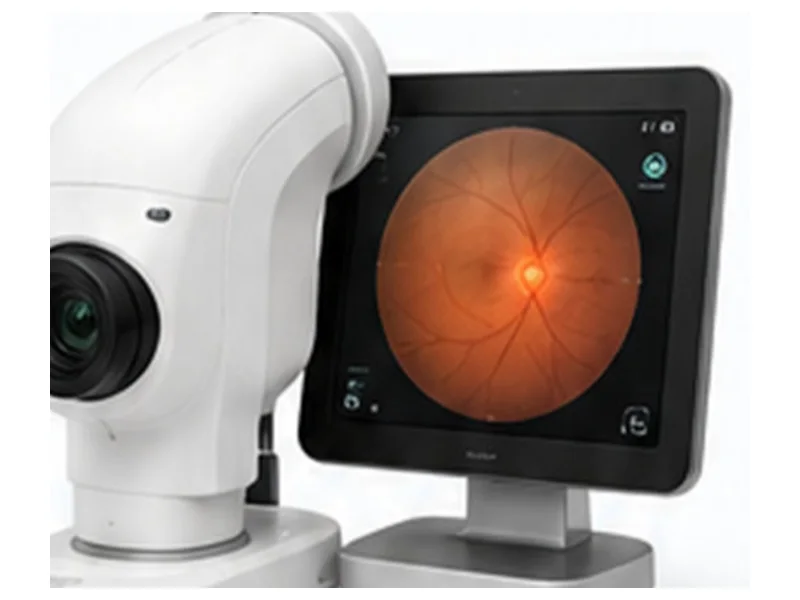
Retinal imaging. -
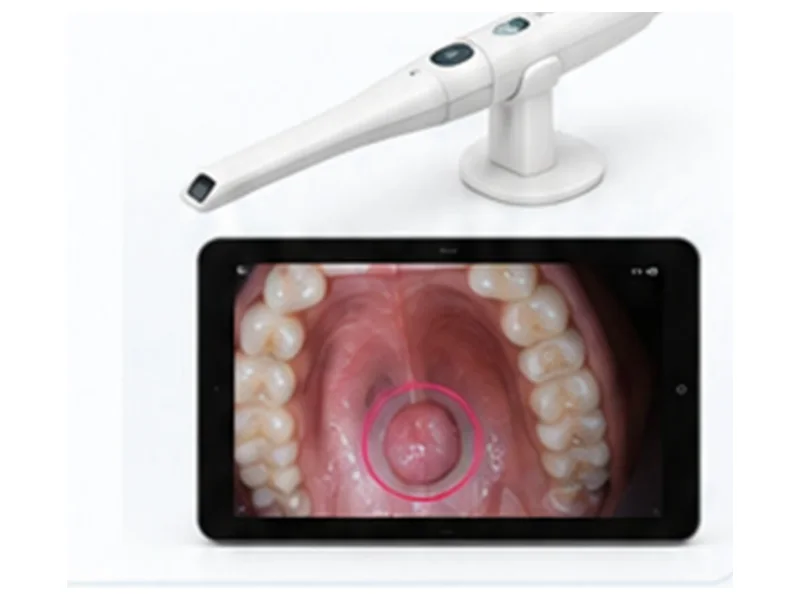
Dental and oral health. -
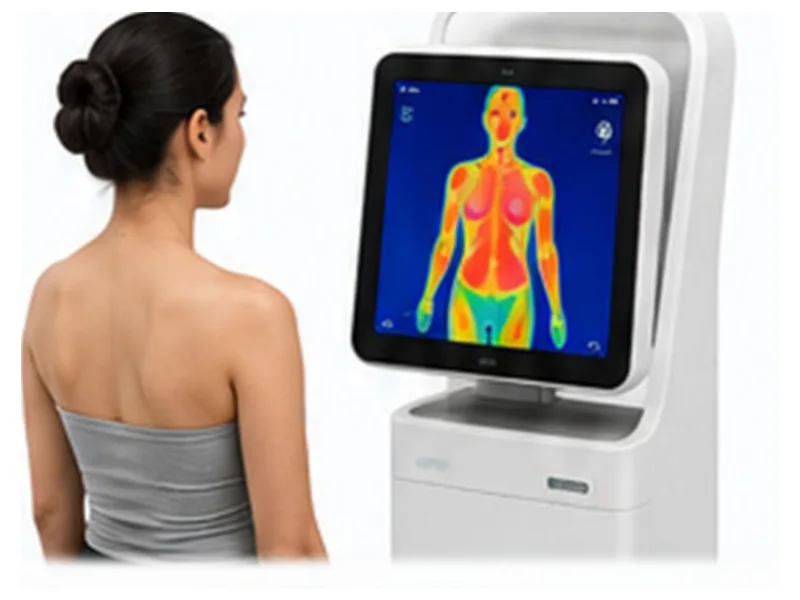
Breast health — thermal, no radiation. -
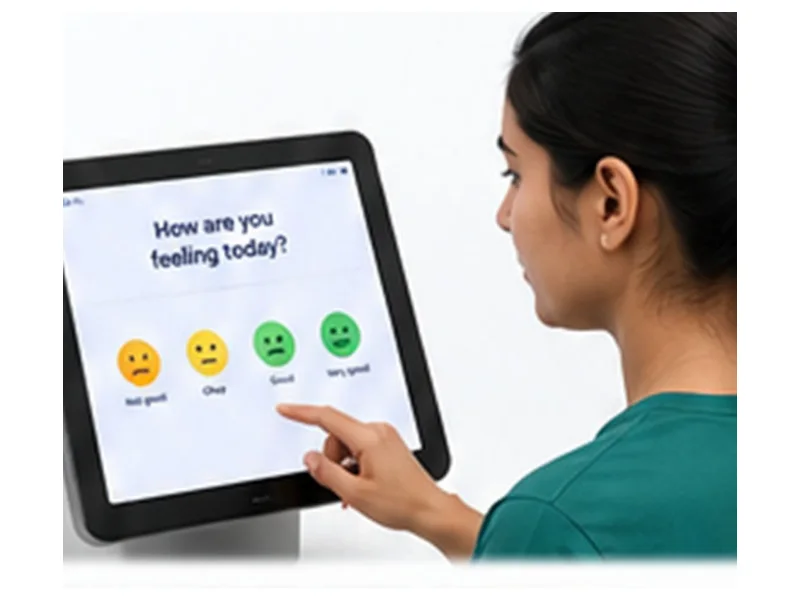
Mental well-being. -
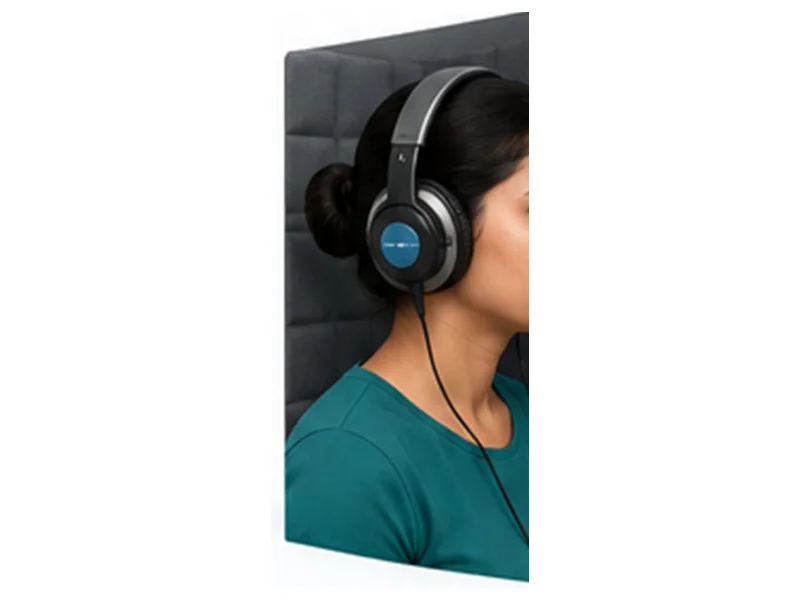
Audiometry. -
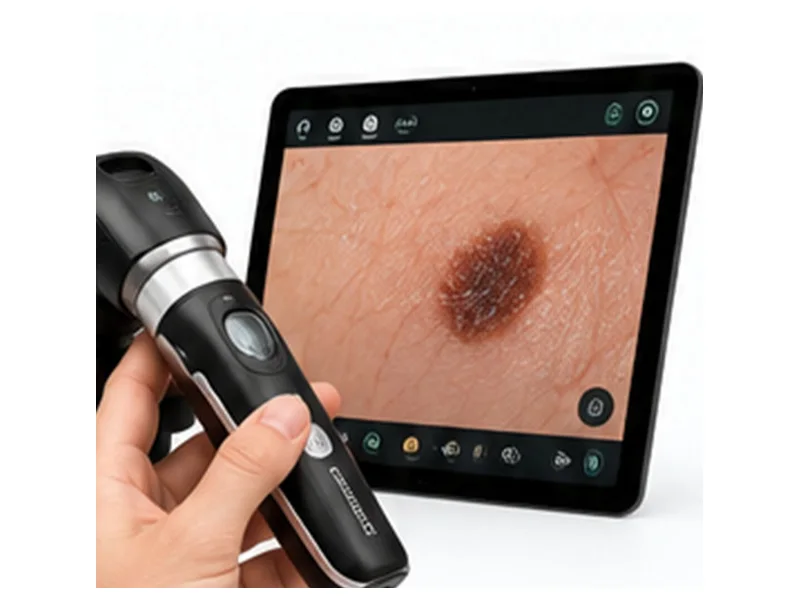
Dermatology. -
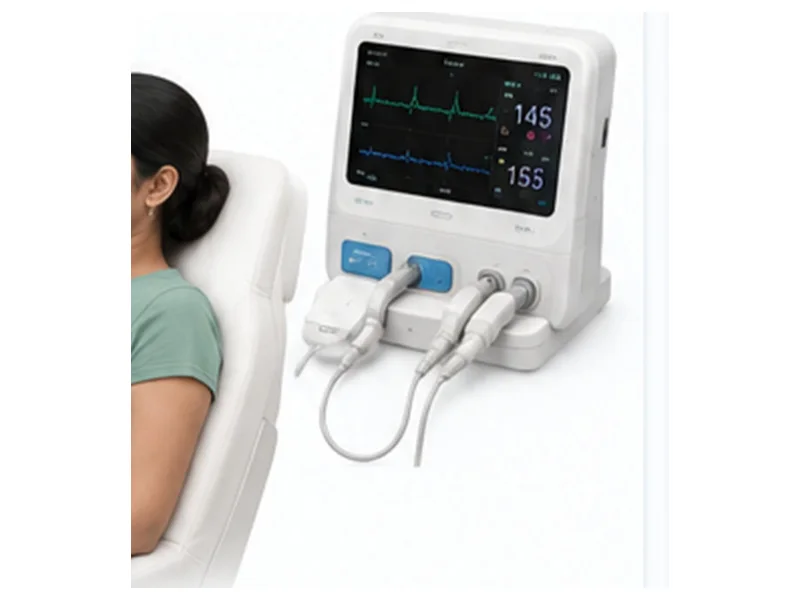
Maternal and fetal monitoring. -
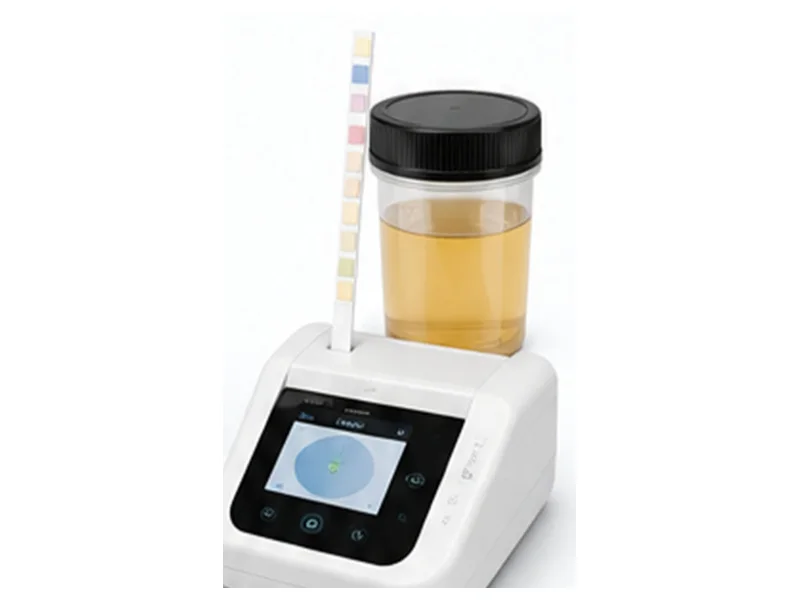
Urine analysis. -
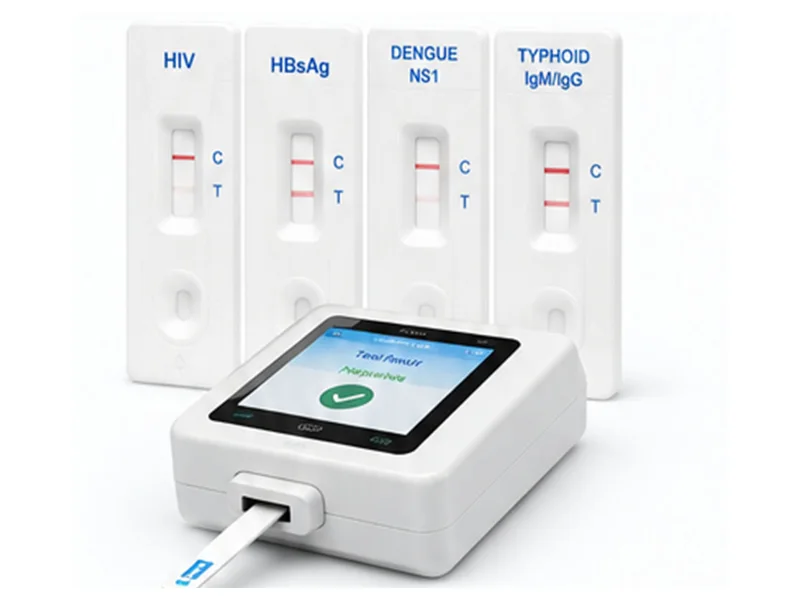
Rapid diagnostic tests.
Nutrition, measured on the spot
The kiosk carries ClinicWala’s AI malnutrition assessment device: MUAC, circumferences, BMI and body composition captured digitally in seconds, scored against WHO/ICMR adult references, and returned as a structured report with follow-up recommendations. Undernutrition and central obesity both show up — before either becomes a crisis.
See the malnutrition assessment deviceWhat the list depends on
Module and test availability depends on the diagnostic equipment connected to a given kiosk and on applicable regulatory requirements. Screening results support, and never replace, a registered medical practitioner’s examination and diagnosis.
Places a kiosk earns its floor space
Village and panchayat centres
A permanent screening point for a community the nearest PHC cannot reach weekly.
Factories and mining sites
Occupational screening — lungs, heart, hearing — where the risk actually is, on shift time.
Schools and campuses
Routine student health screening with records parents can actually keep.
Institutions and hospital lobbies
Front-of-house triage and preventive screening that frees clinical staff for treatment.
The other two vehicles