
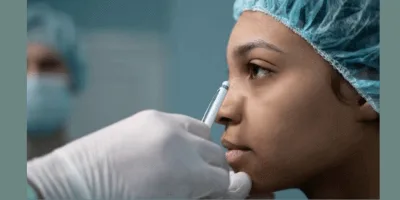
Rhinoplasty
₹70,000 – ₹1,50,000 · typically ₹1,00,000
Rhinoplasty surgery is a procedure for reshaping the nose. It can address a variety of issues, such as modifying the size of the nose, contouring the nasal tip, removing a hump or bump on the bridge, adjusting the size or shape of the nostrils, or enhancing the overall balance and proportion of the nose.
Common questions
What is rhinoplasty?
Rhinoplasty, also known as a 'nose job,' is a surgical operation used to reshape and improve the appearance of the nose. It can address numerous aesthetic faults or fix problems with the nose's functionality.
How does it enhance the appearance of the nose?
Rhinoplasty can enhance the appearance of the nose in several ways, including refining the nasal shape, reshaping the nasal bridge, changing nostril size or shape, correcting nasal deviations, and improving proportions and facial harmony.
Can rhinoplasty help with breathing problems or structural issues of the nose?
Yes, rhinoplasty can help with nasal structural concerns or breathing problems. There are two primary rhinoplasty techniques: Cosmetic Rhinoplasty, which focuses on improving the nose's appearance, and Functional Rhinoplasty, which primarily addresses breathing problems or structural anomalies.
What is the recovery time after rhinoplasty?
Recovering after rhinoplasty might take a while, depending on the extent of the procedure and individual factors. The full effects of rhinoplasty may take several weeks to months to become noticeable.
What are the guidelines after the rhinoplasty recovery process?
1. Immediately following surgery: You will be monitored in a recovery area, and you may experience discomfort, bruising, and swelling around the nose and eyes. A cast or splint may be worn over the nose for support and protection.
2. First week: Swelling and bruising are typically at their worst, and breathing through the nose may be challenging.
3. Two to three weeks: Swelling and bruising gradually decrease, and most patients can return to work or school, avoiding strenuous exercise.
4. Several months: Minor swelling may persist for up to a year, but the majority of swelling subsides in the first few months. The complete effects of rhinoplasty may take several months to become fully visible as the nose settles and heals.
2. First week: Swelling and bruising are typically at their worst, and breathing through the nose may be challenging.
3. Two to three weeks: Swelling and bruising gradually decrease, and most patients can return to work or school, avoiding strenuous exercise.
4. Several months: Minor swelling may persist for up to a year, but the majority of swelling subsides in the first few months. The complete effects of rhinoplasty may take several months to become fully visible as the nose settles and heals.
Are there non-surgical alternatives to rhinoplasty?
Yes, there are non-invasive alternatives to rhinoplasty that can address specific aesthetic issues without surgery. These include Dermal Fillers, Liquid Rhinoplasty, and Thread Lift.