
Haemorrhoidectomy
₹45,000 – ₹90,000 · typically ₹60,000
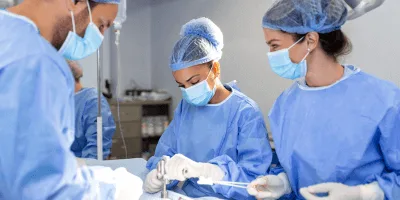
The most common and efficient surgical method for treating haemorrhoids is this one. It entails eliminating the piles surgically with a scalpel or laser. Usually, severe cases of internal or external piles require hemorrhoidectomy.
Common questions
What is a haemorrhoidectomy?
A surgical treatment called a hemorrhoidectomy is used to remove haemorrhoids, which are enlarged blood vessels in the anal and rectal regions. The discomfort, suffering, itching, and bleeding that haemorrhoids might cause may not always be adequately relieved by conservative therapy. An anal incision is made by the surgeon during a hemorrhoidectomy in order to reach and remove the hemorrhoidal tissue.
Why is a haemorrhoidectomy performed?
When more conservative treatments are ineffective or the haemorrhoids are causing severe pain, bleeding, discomfort, or other issues, a hemorrhoidectomy may be necessary. The following are some typical justifications for recommending a hemorrhoidectomy: bleeding, prolapse, thrombosis, and severe pain.
What are the risks and complications of a haemorrhoidectomy?
A hemorrhoidectomy has some risks and potential problems, just like any surgical surgery. Before having the procedure, you should be aware of them. The following are some of the potential side effects and hazards of a hemorrhoidectomy: Pain and discomfort, Bleeding, Infection, Anal stenosis, Urinary retention, and Faecal incontinence.
Are there alternative treatments to haemorrhoidectomy?
Yes, there are alternate haemorrhoid therapies that may be taken into account before deciding on a hemorrhoidectomy. The type of treatment you receive is determined by the severity of your haemorrhoids, your unique situation, and your doctor's recommendations. Lifestyle changes, topical therapies, sclerotherapy, rubber band ligation, infrared coagulation, and medications are a few examples of alternative treatments for haemorrhoids.
What things can happen after a haemorrhoidectomy?
Pain and discomfort: Following a hemorrhoidectomy, it's typical to feel pain, discomfort, and soreness in the anal region. In order to assist you manage the discomfort, your doctor will prescribe painkillers. The discomfort ought to gradually go away with time. During the healing period, it's crucial to strike a balance between activity and rest. Diet and bowel movements: During the healing process, it's critical to keep up a good diet and prevent constipation. Your doctor will advise you on how to take care of the surgical site when it comes to wound care. This may entail maintaining the region dry and clean, using medicated wipes or sitz baths, and using recommended ointments or lotions.
You'll probably schedule follow-up consultations with your physician to assess your recovery and discuss any issues or complications.
You'll probably schedule follow-up consultations with your physician to assess your recovery and discuss any issues or complications.
Are there any long-term effects or risks associated with haemorrhoidectomy?
Hemorrhoidectomy is typically regarded as a secure and successful method of treating haemorrhoids. Like any surgical procedure, there could be dangers and long-term side effects. Before having the surgery, it's crucial to go over things with your healthcare professional. Among the risks and potential long-term repercussions of a hemorrhoidectomy are: Haemorrhoids returning.
Anal stenosis is the medical term for the narrowing of the anal canal, which can happen as a result of surgical scarring. This may result in constipation issues and need for additional medical attention.
Bowel alterations: Following a hemorrhoidectomy, some people may notice changes in their bowel habits.
Anal stenosis is the medical term for the narrowing of the anal canal, which can happen as a result of surgical scarring. This may result in constipation issues and need for additional medical attention.
Bowel alterations: Following a hemorrhoidectomy, some people may notice changes in their bowel habits.
What are the dietary and lifestyle changes after a haemorrhoidectomy?
Making specific dietary and lifestyle modifications after a hemorrhoidectomy is crucial to promoting healing, avoiding constipation, and lowering the risk of problems. Here are a few suggestions: Improve your fibre intake, Avoid straining during bowel movements, Keep hydrated, Maintain proper oral hygiene.
Regular physical activity: To encourage healthy bowel movements and prevent constipation, engage in regular physical activity such as walking or light workouts.
Regular physical activity: To encourage healthy bowel movements and prevent constipation, engage in regular physical activity such as walking or light workouts.