
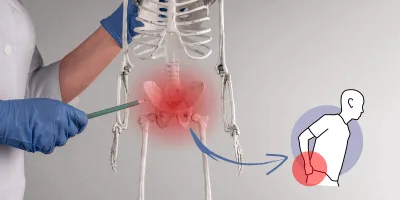
Total hip replacement
₹80,000 – ₹4,00,000 · typically ₹1,50,000
A broken or arthritic hip joint is replaced with an artificial joint during this procedure. The injured bone and cartilage are removed by the surgeon and replaced with prosthetic components composed of metal, plastic, or ceramic.
Common questions
What is total hip replacement surgery?
Full hip arthroplasty, sometimes referred to as complete hip replacement surgery, is a surgical operation used to replace a diseased or injured hip joint with a prosthesis. The operation attempts to improve the patient's quality of life while reducing pain and enhancing hip function.
What are the common risks and complications of total hip replacement surgery?
Total hip replacement surgery is generally safe, but as with any surgical procedure, there are potential risks and complications that can arise. Such as Infection, Blood clots, Dislocation, Implant problems, Nerve or blood vessel injury, Allergic reactions.
Are there any special precautions or tips for traveling after total hip replacement?
Following complete hip replacement surgery, travelling involves some safety and comfort considerations. Here are some more safety measures and advice to think about: Consult with your surgeon or healthcare practitioner prior to booking any trips. It is normally advised to postpone long-distance travel for at least 4-6 weeks following surgery. Select a seat that supports and is comfortable for your hip. To prevent placing too much stress on your hip joint, pack lightly, utilise wheels on your luggage, or ask for help.
What are the benefits and expectations of physical therapy after total hip replacement?
After a total hip replacement, physical therapy is essential to the recovery process. It has many advantages and aids in patients regaining function, mobility, and strength. The advantages and goals of physical therapy following total hip replacement are as follows:Managing pain, regaining range of motion and mobility, strengthening and training muscles. After having a hip replacement, physical therapists can help you normalise your walking motion and retrain it.
Can I participate in sports or physical activities after total hip replacement?
After a successful total hip replacement, many individuals can gradually return to sports and physical activities. However, it is important to consult with your orthopedic surgeon and physical therapist before engaging in any specific activities..