
Cesarean section (C-section)
₹15,000 – ₹1,25,000 · typically ₹45,000
A broken or arthritic hip joint is replaced with an artificial joint during this procedure. The injured bone and cartilage are removed by the surgeon and replaced with prosthetic components composed of metal, plastic, or ceramic.
Common questions
What is a cesarean section (C-section)?
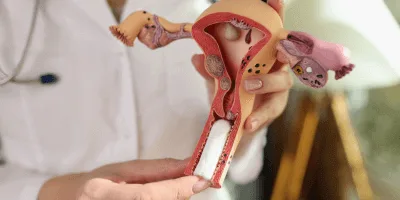
A cesarean section, commonly referred to as a C-section, is a surgical procedure performed to deliver a baby through an incision in the mother's abdomen and uterus. It is typically done when vaginal delivery poses risks to the health of the mother or the baby, or in certain circumstances preferred by the mother.
When is cesarean section performed during childbirth?
Several circumstances during childbirth may need a caesarean section (C-section), including: failure to advance in labour; foetal discomfort; placenta; breech presentation; multiple pregnancies; and maternal health issues.
Why do people opt for C-Section Surgery?
C-sections may be performed for a number of reasons, such as pregnancy complications, foetal distress, labour problems, mother health issues, or personal preferences. The medical staff decides whether to conduct a C-section after consulting with the expecting mother and taking into account the health and safety of both the mother and the unborn child.
What are the potential risks and complications associated with a cesarean section?
Although a caesarean section is generally a safe procedure, there are certain risks involved, such as infection, harm to your internal organs, an elevated risk of respiratory distress for your baby, and issues with subsequent pregnancies.
What are the risks to the child after C-section surgery?
The child may experience risks and consequences after a caesarean section (C-section). The following are some possible dangers of C-sections for both the mother and the child: Breathing issues, surgical injury, complications from a premature birth, and admission to the neonatal intensive care unit (NICU).
What is the C-section recovery time?
The recovery time after a cesarean section (C-section) can vary from woman to woman and this can take time. An average hospital stay for women having an uncomplicated C-section is between two and four days. Depending on variables like the mother's health, the baby's health, and hospital policies, the length of stay may change. The mother will be attentively watched in the recovery area right after the C-section.Following a C-section, pain and discomfort near the incision site are frequent. During the first stage of recuperation, doctors frequently prescribe drugs like painkillers and anti-inflammatories to treat discomfort.
Are there any restrictions after C-section delivery?
After a C-section (also known as Cesarean section) delivery, there are typically some restrictions and guidelines that healthcare providers recommend to promote healing and prevent complications.
Physical activity: For at least 4-6 weeks after a C-section, it's best to avoid strenuous exercise, hard lifting, and household chores.
Recuperation and rest: Following a C-section, enough rest and recuperation time are essential. Your body needs time to heal, therefore it's crucial to put rest first and stay away from strenuous activities that could impede healing.
After a C-section, it is often advised to refrain from driving for two to three weeks, or until all discomfort has subsided.
Physical activity: For at least 4-6 weeks after a C-section, it's best to avoid strenuous exercise, hard lifting, and household chores.
Recuperation and rest: Following a C-section, enough rest and recuperation time are essential. Your body needs time to heal, therefore it's crucial to put rest first and stay away from strenuous activities that could impede healing.
After a C-section, it is often advised to refrain from driving for two to three weeks, or until all discomfort has subsided.